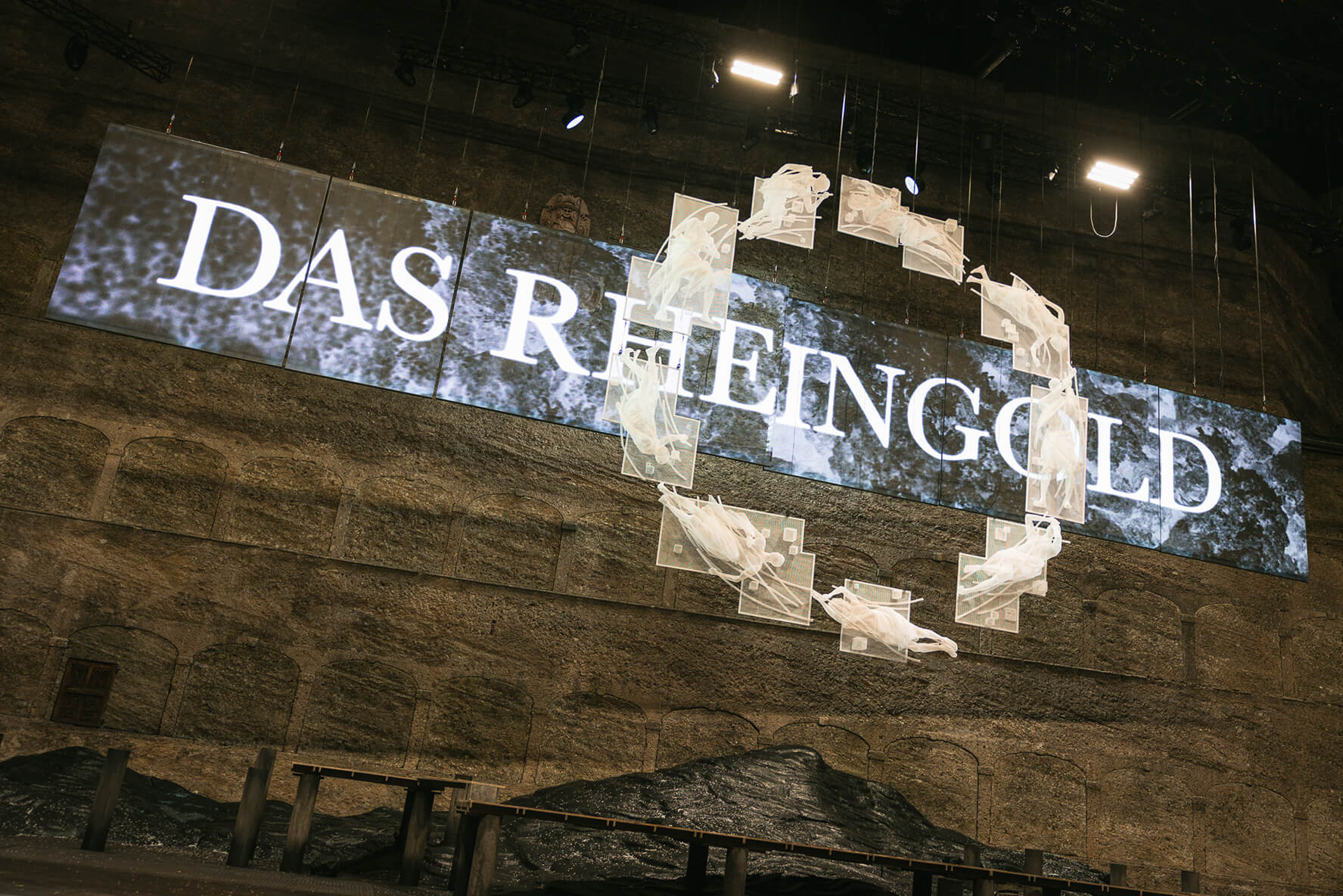
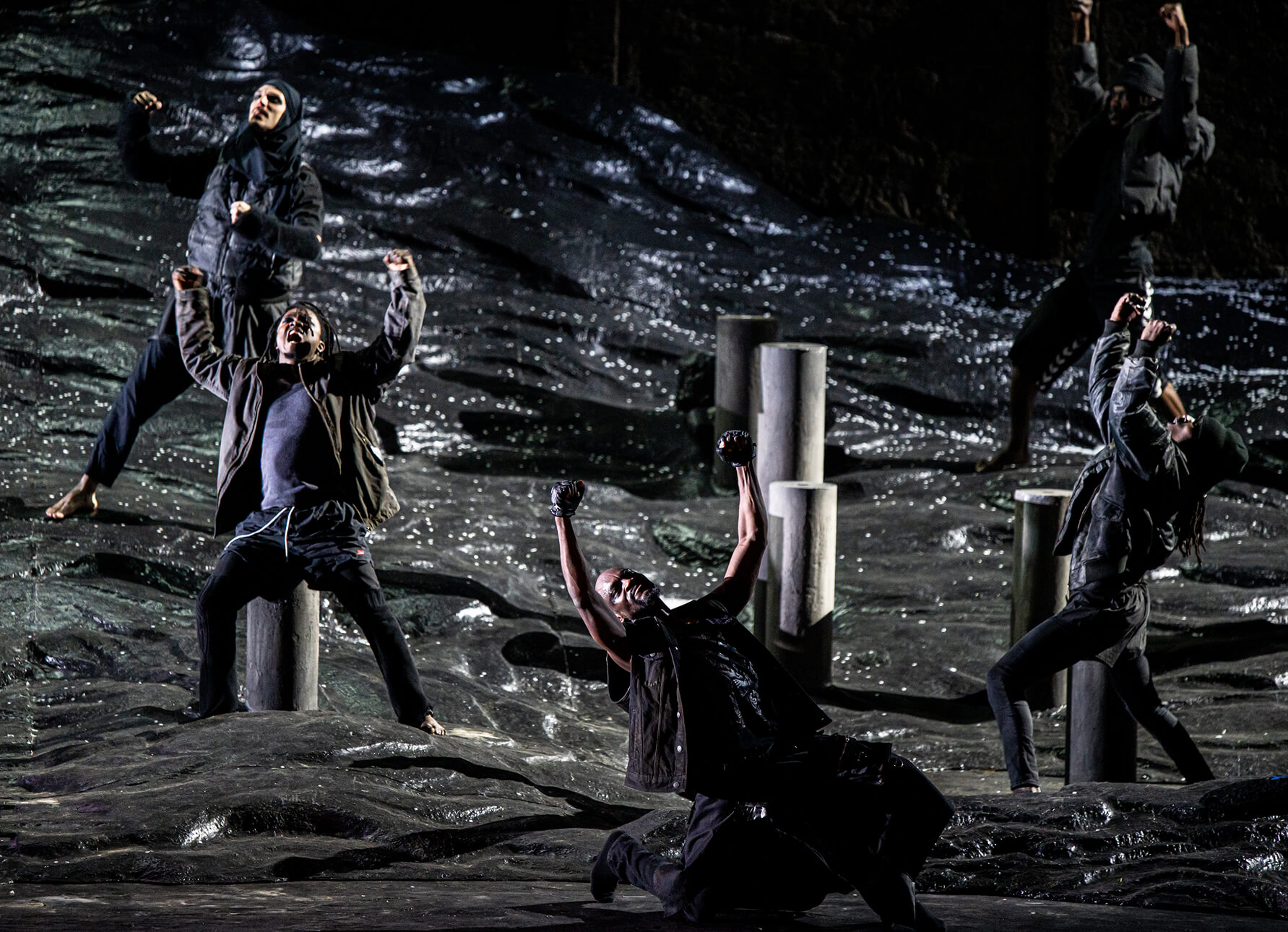
Kirill Serebrennikov’s new production of Das Rheingold at the 2026 Salzburg Easter Festival begins with his vision of reimagining Wagner’s work as a large-scale journey across a post-apocalyptic world. In his interpretation, the story unfolds after a global catastrophe, in which humanity must rebuild itself from the ground up, forming new beliefs, rituals and identities in the process. The cycle is conceived as a ‘world theatre’, moving across continents and cultures, in which Wagner’s myth is no longer confined to one place, but becomes a shared global narrative.
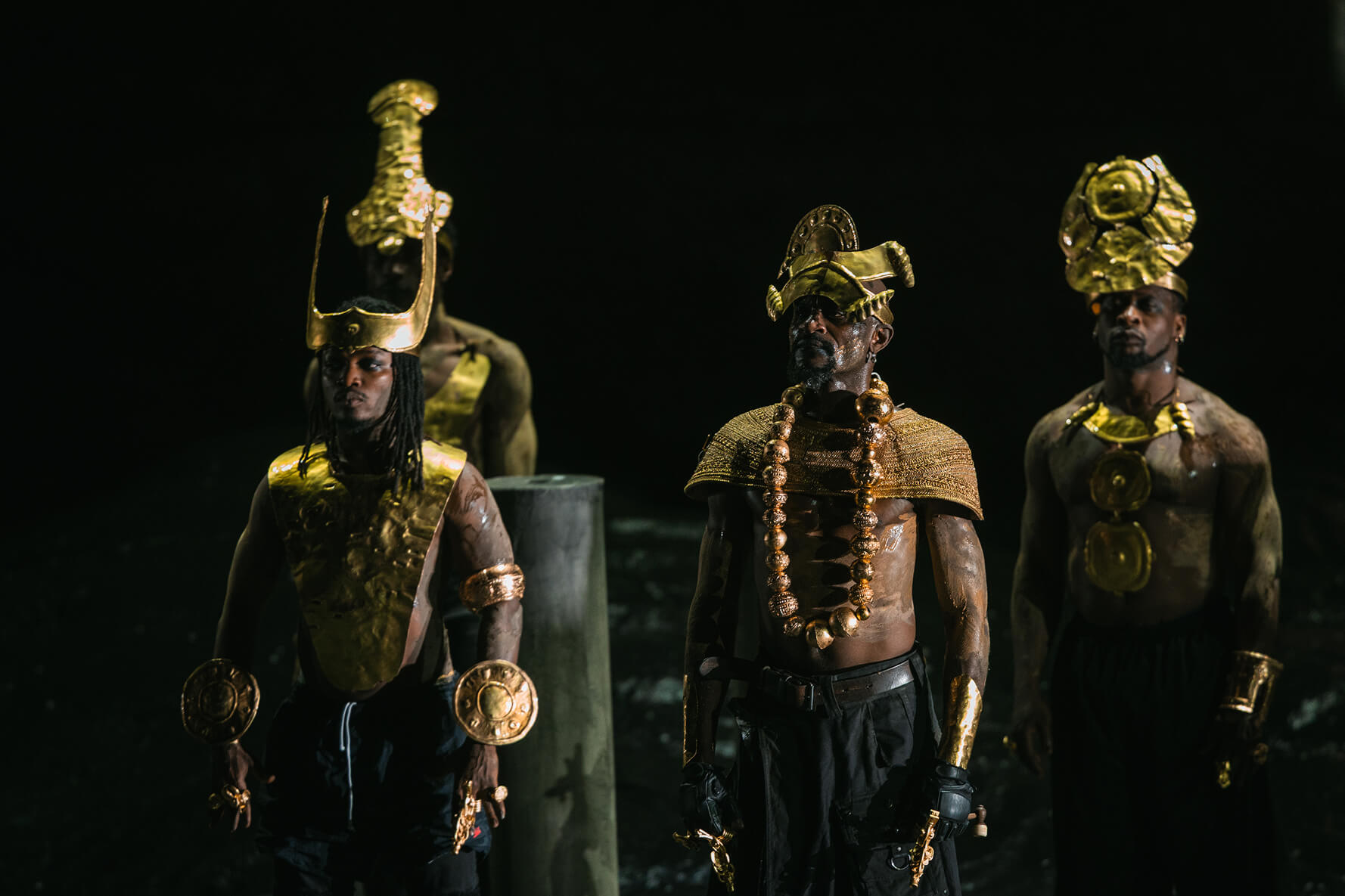
This ambitious production is the result of a broad international collaboration. Under the musical direction of Kirill Petrenko, it brings together a diverse creative team comprising Serebrennikov (set, costume and overall production); Slavna Martinovic (co-costume design); Olga Pavluk (co-set design); Ivan Estegneev and DeLaVallet Bidiefono (choreography); and Daniil Orlov (dramaturgy). The costumes and visual elements were developed in different countries to reflect the idea of a world rebuilt from multiple cultural layers. At its core lies Serebrennikov’s vision of opera as a genuine Gesamtkunstwerk, merging music, physical theatre, film and visual art to create an immersive experience.
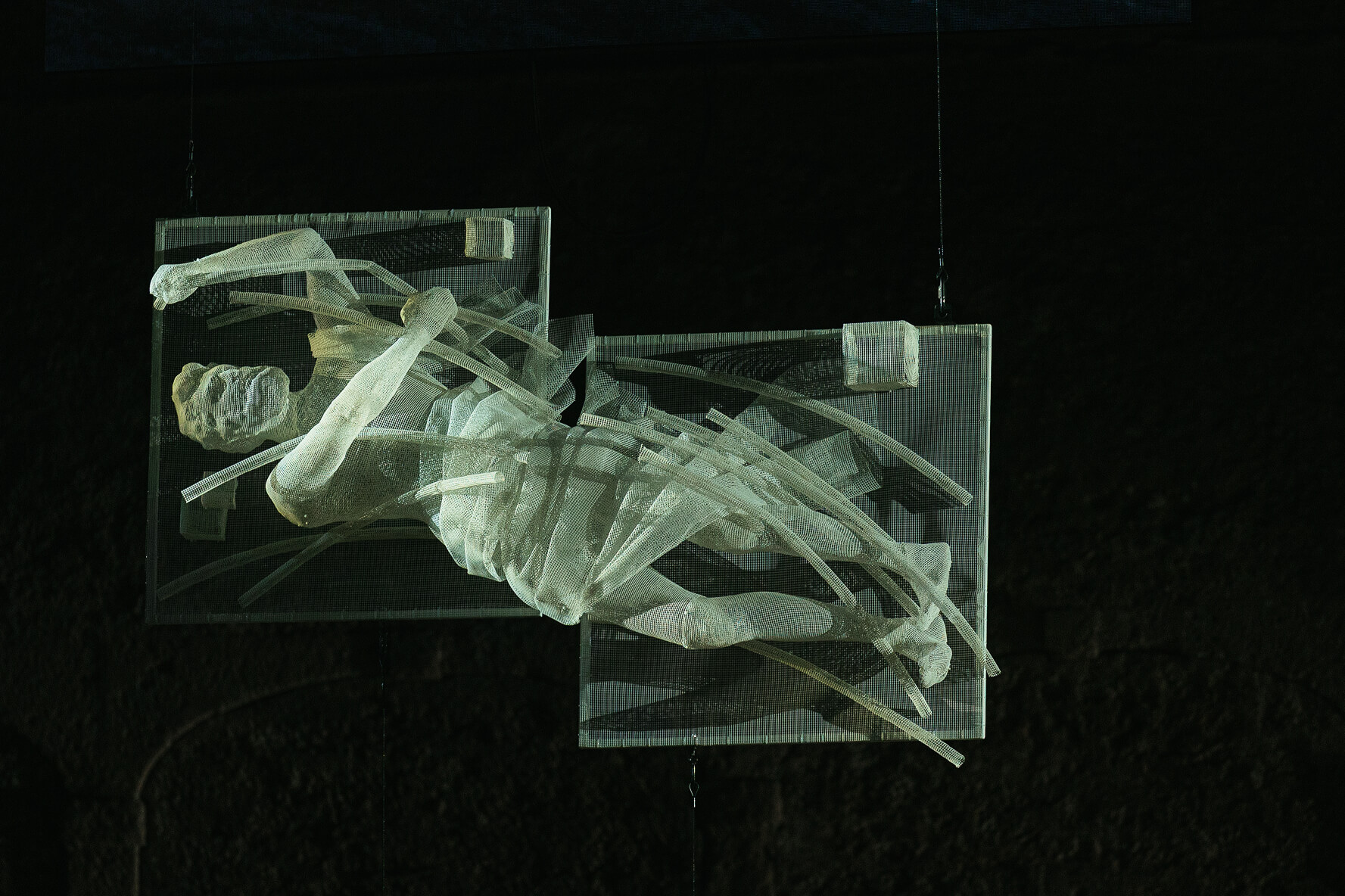
Within this context, Serebrennikov invited the Recycle Group to contribute sculptural works to the production. This marked the artists’ first experience of opera. They approached the invitation as an opportunity to explore unfamiliar territory and respond directly to the director’s vision.
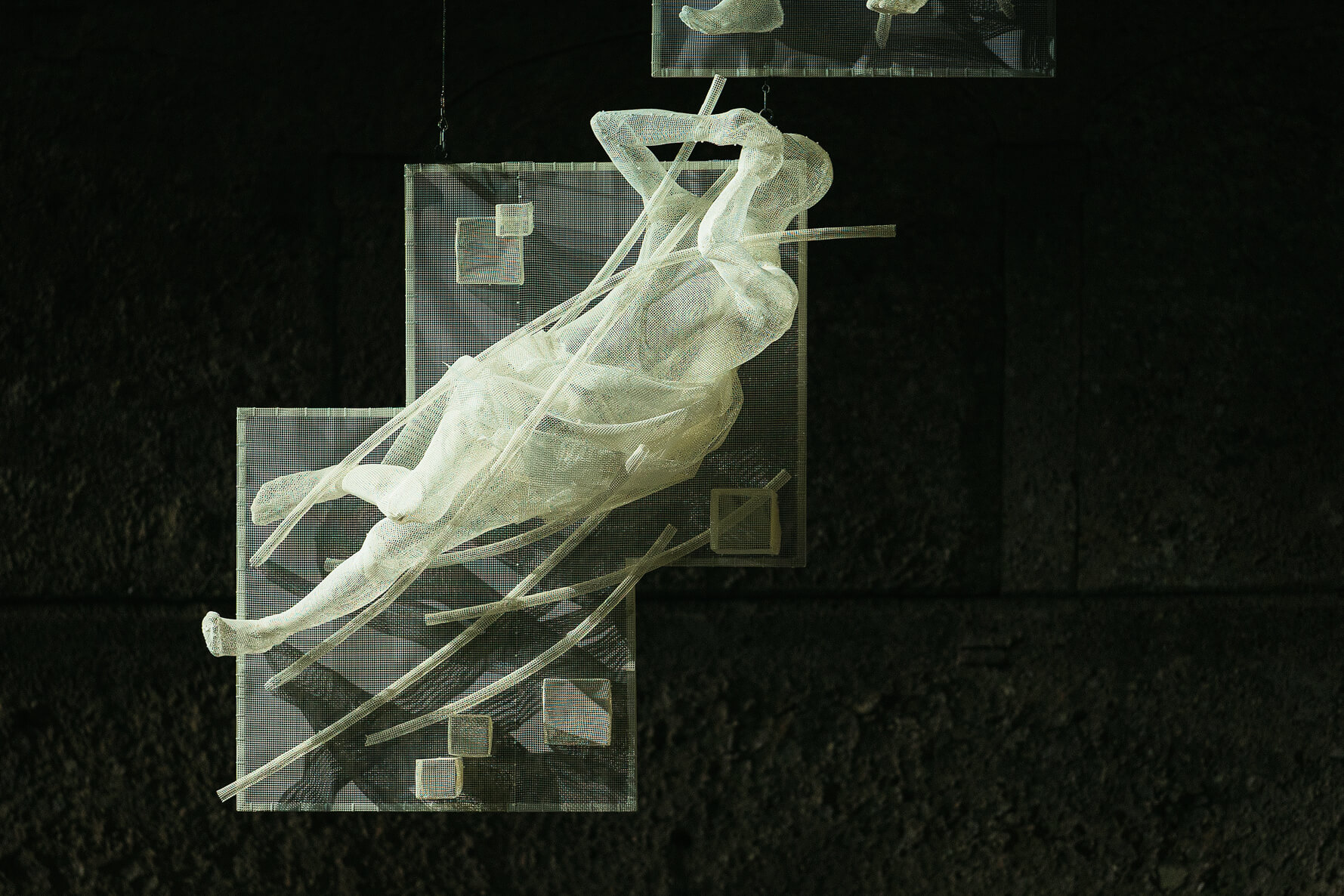
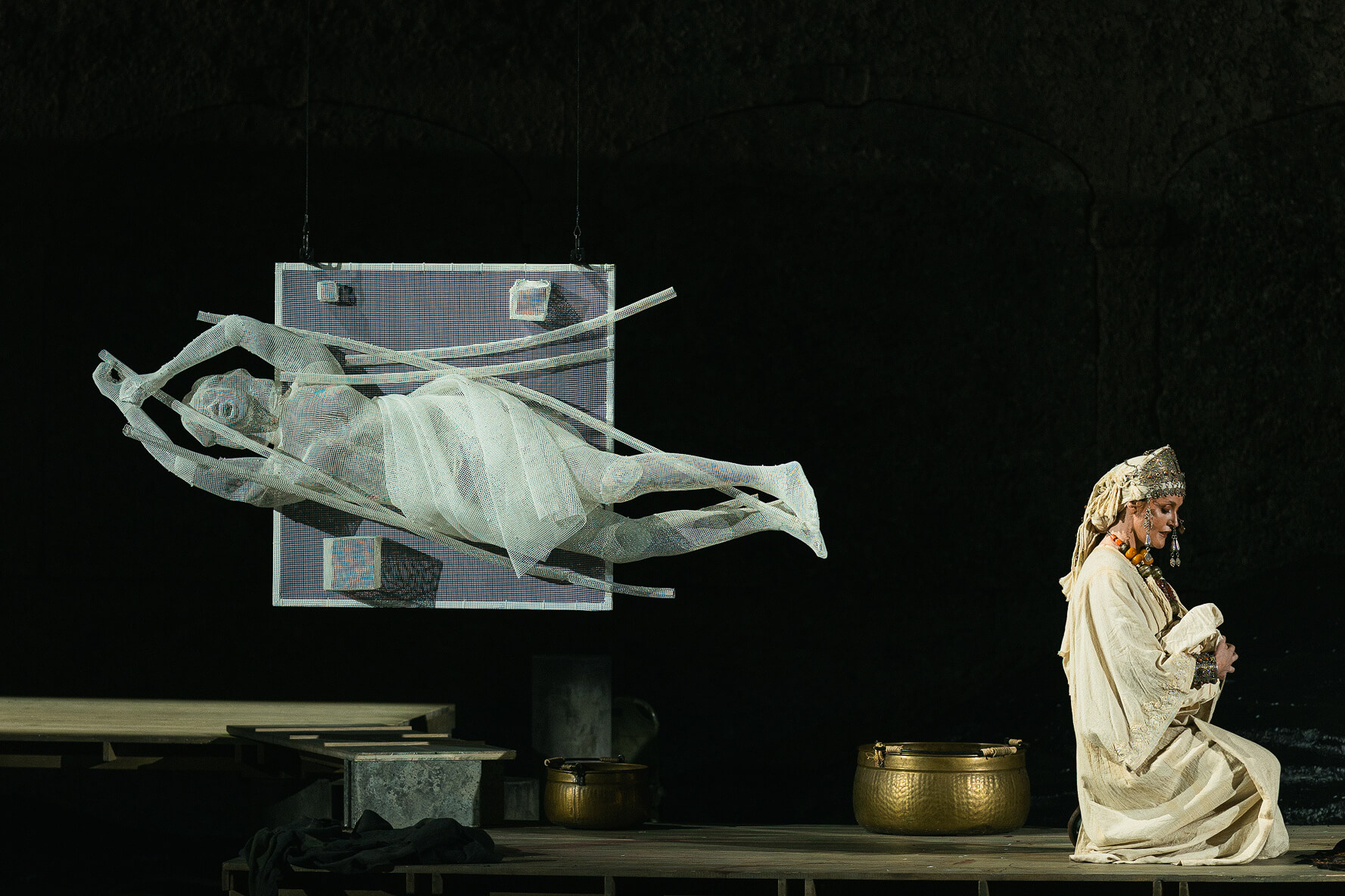
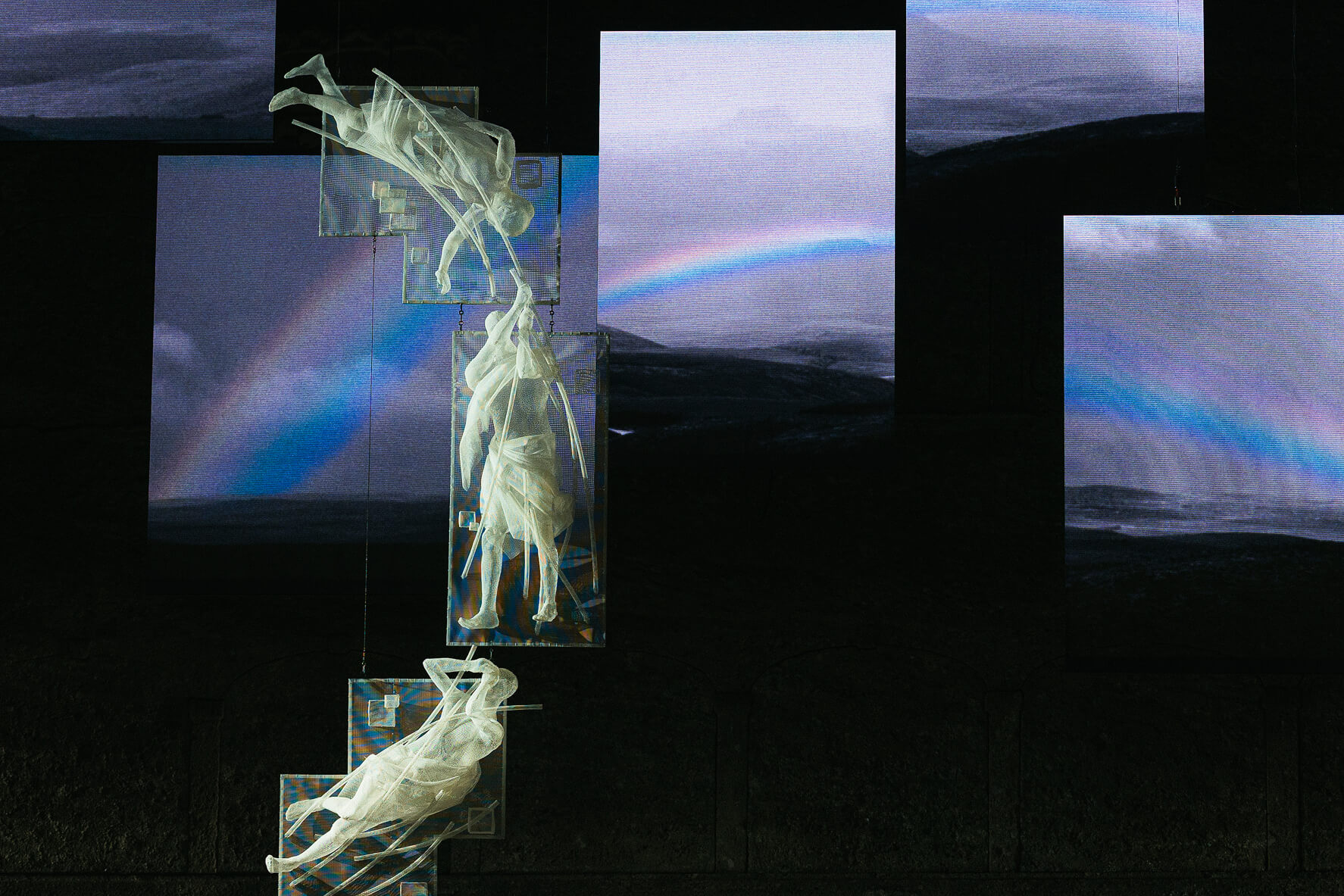
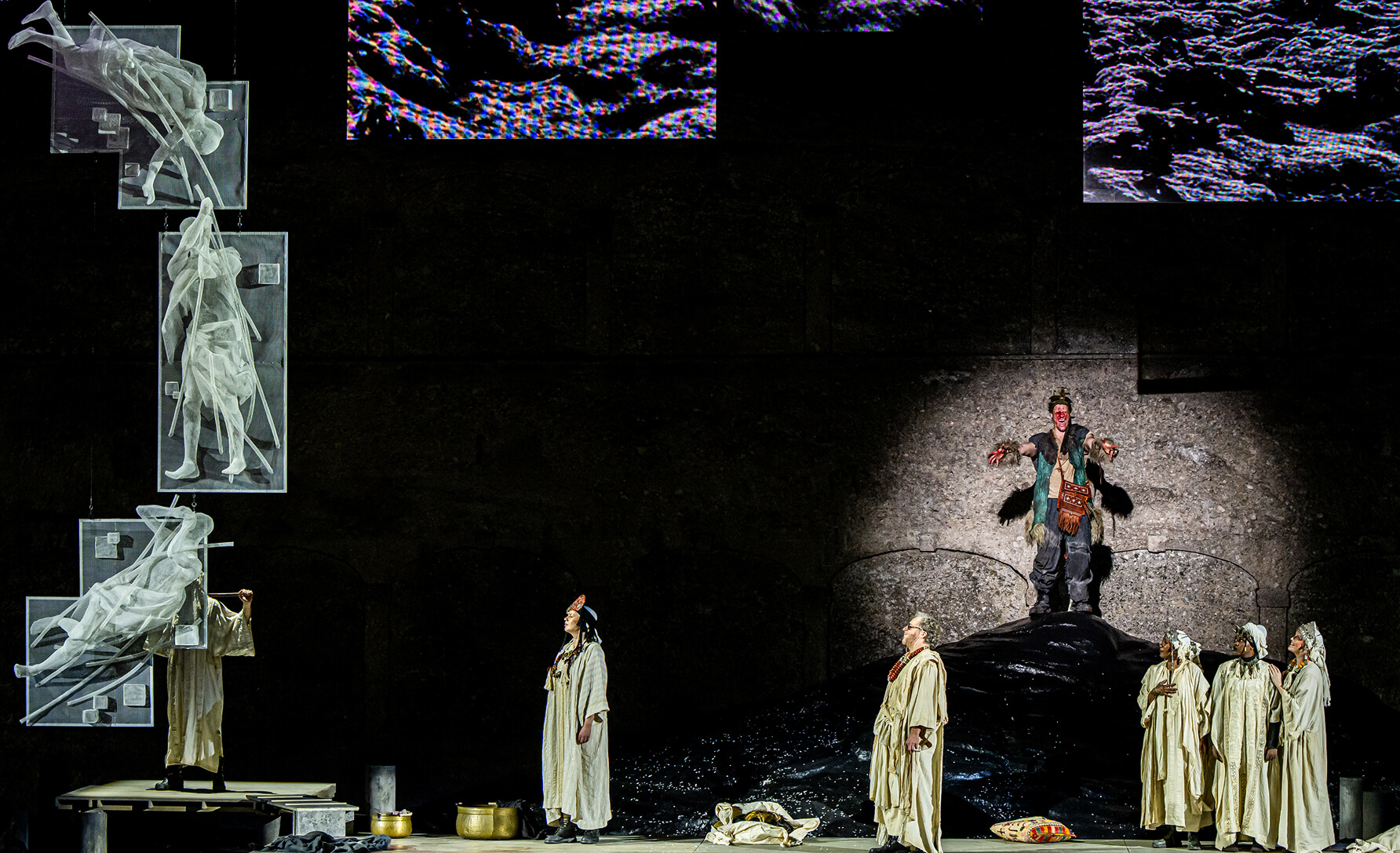
Recycle Group’s sculptures were developed as part of this new world. They resemble both technological remnants and ancient artefacts, shaped by a civilisation that no longer exists in its former form. Rather than functioning as independent artworks, these pieces form part of the scenography, interacting with the performers and their surroundings.
The Recycle Group approached the collaboration as a rare and generous invitation from Kirill Serebrennikov. Working within his artistic vision, they developed a series of sculptures that transcend static display to become active elements of the stage action, interacting directly with the performers.
Set in the monumental open-air venue of the Felsenreitschule, which is carved into rock, the production’s visual language is defined by the architecture of the space. In response, Recycle Group created works that engage closely with the space — its scale, materiality and history — allowing the sculptures to function as part of a living environment shaped by both the past and the present.
“Das Rheingold, as staged by Kirill Serebrennikov, unfolds in a future that feels both apocalyptic and fragile — a kind of post-post era in which humanity has already passed through all cycles of civilisation and begins to return to a more primitive state. Within this world, familiar fragments of culture and belief seem to have lost their original meaning and reappear as relics, symbols, or ruins of something transformed beyond recognition. Our work responds to this atmosphere, helping to create a sense of a world suspended between the remnants of the old and the emergence of the new.” — Recycle Group
Publications:
Beyond the Future: Recycle Group’s interview
The opera Magazine: In the beginning was the end – “Das Rheingold” at the Salzburg Easter Festival